
It was 45 years ago that Kingston hosted the Ontario Hockey League All Star game at the Memorial Centre. In February 1981, the Kingston Canadians had four players named to the Leyden Division All-Star team; Mike Moffat, Rik Wilson, Neil Belland and Bernie Nicholls. For Wilson and Nicholls it was their second straight all-star appearance.
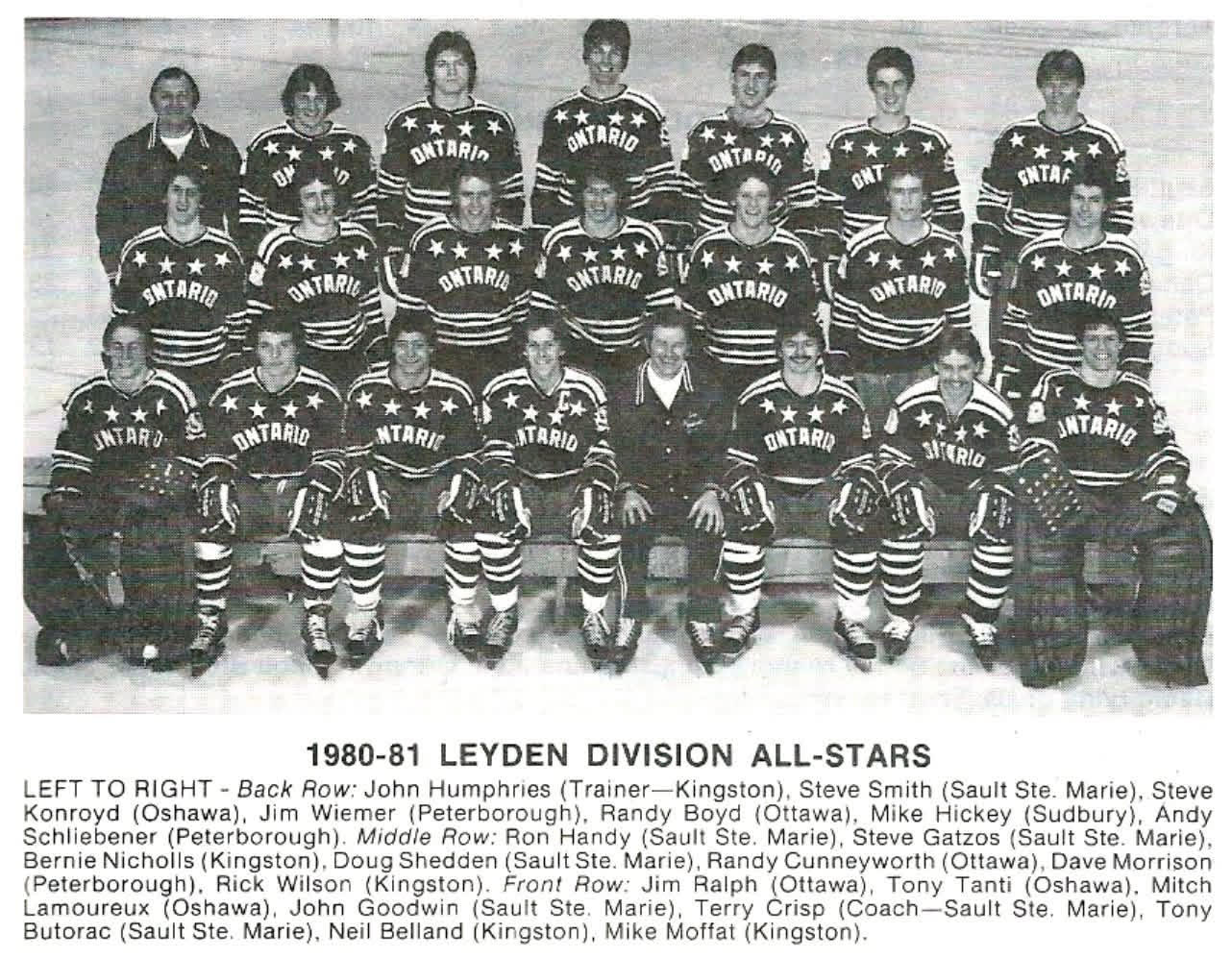
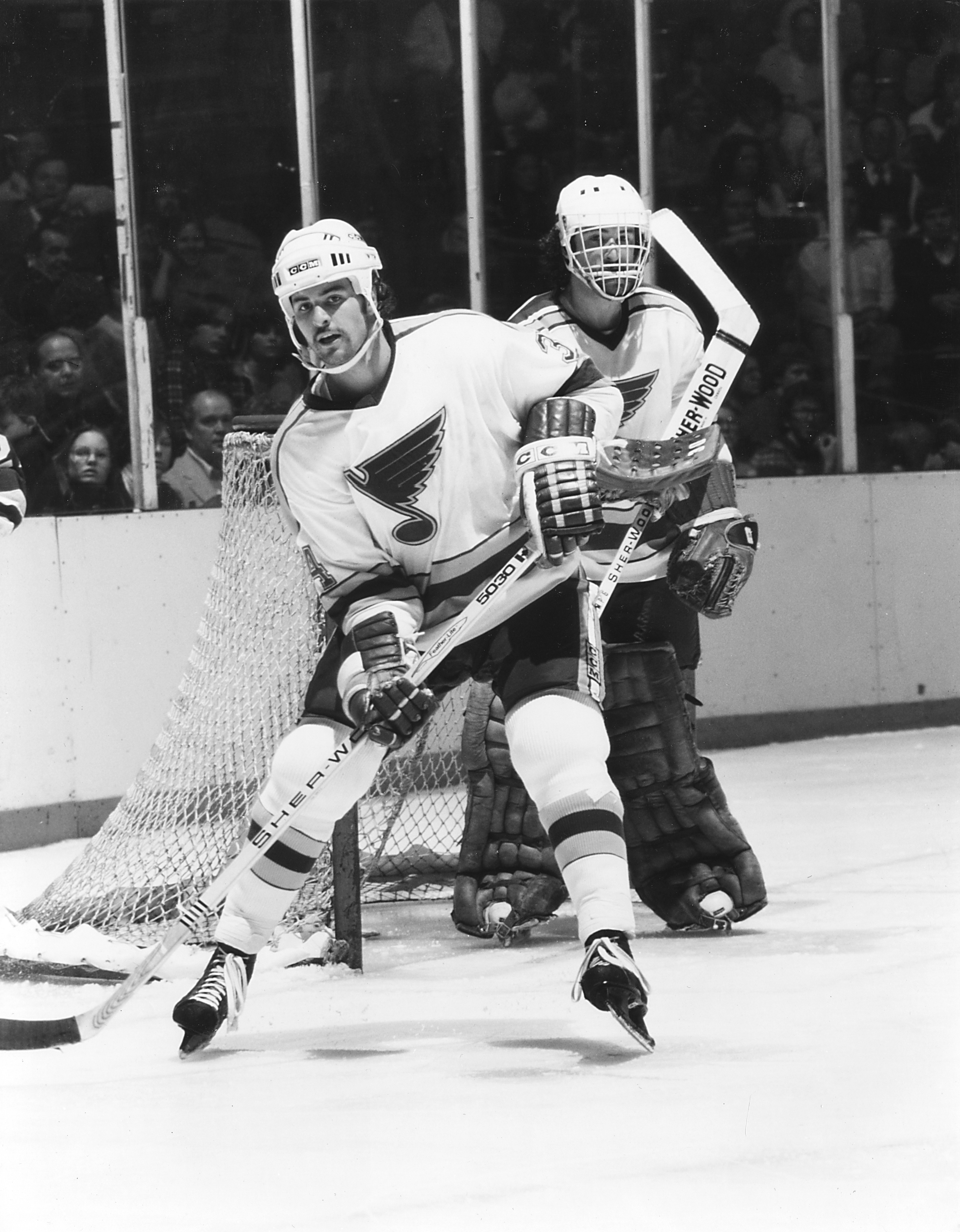
Wilson was born in Long Beach, California but moved to Kingston as a kid and played his minor hockey here. In 1980, Wilson was a first round draft pick of the St. Louis Blues and in the 1980-81 season Wilson would put up 100 points – setting a new team record for a defenseman.
Wilson played seven NHL seasons and made his home in St. Louis after hockey. Rik worked training hockey players and other elite athletes at a fitness centre he owned and operated. Sadly, Wilson passed away suddenly in 2016 at age 53.
Nicholls had 63 goals and a 152 point season, while Moffat would star for Team Canada the following year at the 1982 World Juniors and play for the Boston Bruins in the NHL playoffs. Belland went on to play for the Vancouver Canucks.
Like most all star games it wasn’t a classic, but it was a close game in front of about 2,800 fans. The Emms Division team led 3-0 late in the second period, but the Leyden Division bounced back and tied it in the third on a goal by Sault St Marie’s Ron Handy, who would become a Kingston Canadian the following season.
Just over a minute later Brantford’s Mike Bullard got the game winner. On the bench just before Bullard’s shift, Emms Division coach Paul Gauthier told Bullard, “If you’re going to get a goal, you might as well do it now, and he did it,” a pleased Gauthier said in an interview with the Kingston Whig Standard. Three years later Bullard would be a 50-goal scorer for the Pittsburgh Penguins.
Among the other star players in the game were Kitchener’s Brian Bellows, Steve Larmer of Niagara Falls Flyers and Windsor’s Ernie Godden that all scored for the Emms side. Bellows and Larmer both went on to reach one thousand points in their NHL careers, and Godden scored 87 goals for Windsor that season – a league record that still stands over four decades later. Ottawa’s Randy Boyd and the Sault’s John Goodwin – the OHL scoring champion that year – had the other goals for the Leyden Division.
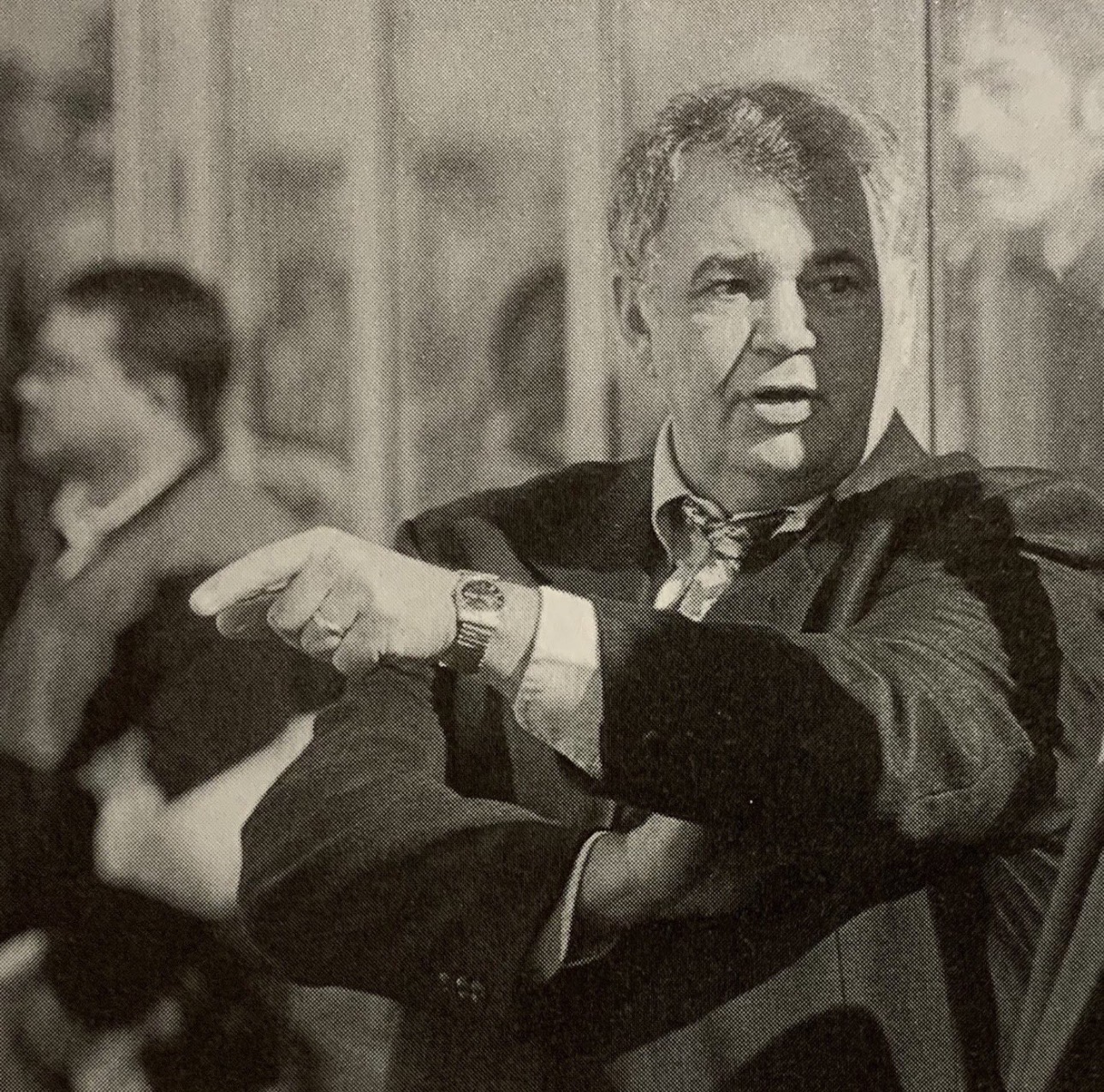
The main highlight of the OHL meetings in Kingston was the news the OHL Board of Governors approved the Belleville Bulls as a new expansion franchise for a fee of $300,000, creating a long running rivalry with Kingston. Dr. Robert Vaughan and Bob Dolan owned the Belleville franchise and for Larry Mavety it would mark the start of a lengthy OHL coaching career.
The highlight for me came the night before the game, when about 300 people gathered for the All-Star game dinner at the 401 Inn. The OHL players and coaches were there along with upwards of 50 NHL scouts and executives – with Gordie Howe as the headliner.
Max Jackson from CKWS-TV was to be the emcee, but his wife Marjorie was battling cancer and Johnnie Kelly stepped in. I was a young radio announcer at 960 CKWS and I had no idea that just six weeks later my life would totally change when I joined Max Jackson in the CKWS-TV sports department and started working on the Kingston Canadians radio broadcasts with Jim Gilchrist. Life works in strange ways.
I didn’t get to meet Howe that night, but 25 years later at Kingston’s Feb Fest I got to share the head table with Gordie and his grandson Travis, I was the emcee for a dinner honouring Howe at a downtown hotel. It was quite a thrill.
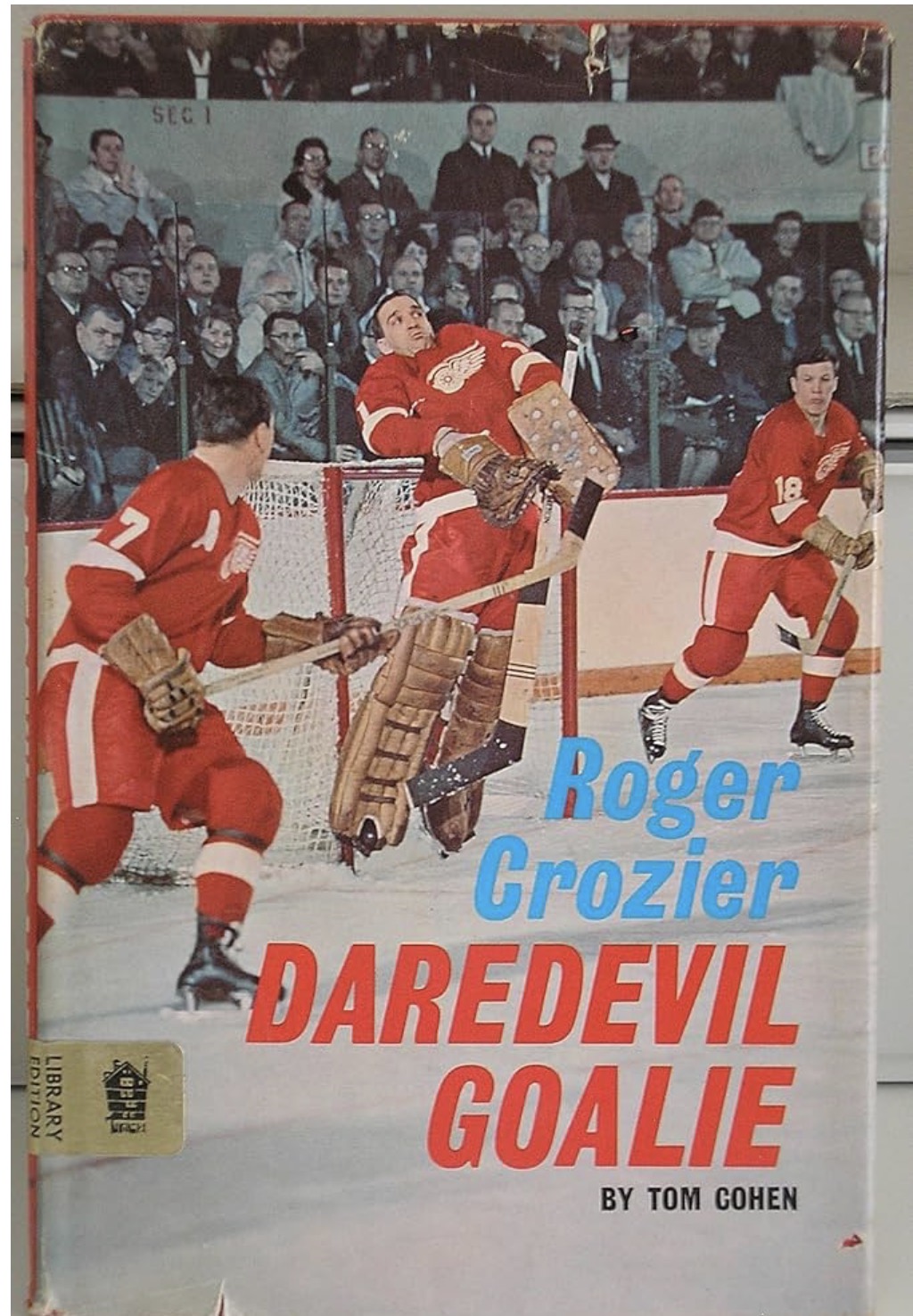
When the OHL All-Star banquet was over I happened to see former NHL goaltender Roger Crozier, Howe’s former teammate in Detroit. Known as the daredevil goalie, Crozier won the Conn Smythe trophy for Detroit as playoff MVP in 1966 when the Red Wings lost to Montreal in six games on a controversial goal by Henri Richard.
I knew Crozier’s story well because a decade earlier as a ten-year-old in Portsmouth Public School I entered the school’s Grade Six public speaking contest – and did my speech on Crozier. I didn’t win the competition, but it got me started on a lengthy career as a broadcaster and emcee.
I introduced myself to Crozier and told him my public speaking story. Crozier was a real gentleman and he seemed genuinely impressed and humbled by it. Crozier took the time to chat and we talked about his years in Detroit playing with Howe, growing up in a family of 14 kids in Bracebridge, ON and what was happening with the Washington Capitals where Crozier worked in the front office. I didn’t get an autograph or a photo, but I got a moment with someone I had admired for his courage and resiliency and Crozier didn’t disappoint.
Crozier was undersized at 5’ 8” and 160 pounds and he was one of the first goalies to play a very athletic, butterfly style in goal. Crozier backstopped St. Catharines to a Memorial Cup win in junior, was the NHL Rookie of the Year in Detroit and of course Crozier’s epic playoff performance against Montreal in 1966. Crozier later played in another Stanley Cup final for Buffalo in 1975.
Throughout his career Crozier battled nerves, suffered through stomach issues, ulcers and pancreatitis. “I like everything about hockey, the travelling, the life, the interviews and the fans, but I don’t like the games. They’re pure torture,” Crozier told the Toronto Star in 1965.
Crozier was the assistant GM of the Capitals when we met and just a few short months later Washington fired Max McNab and Gary Green and he took over as coach and GM. Crozier only coached one game and said after, “It was worse than being a goaltender.”
Bryan Murray was hired by Crozier as the new coach, moved up from their Hershey farm team. Crozier got rid of several veteran players and went with a youth movement, but he didn’t get to see it through. After one season the Capitals fired Crozier and brought in David Poile who was hired as GM.
Crozier quit hockey and joined the MBNA financial group in Delaware where he ultimately became part of the senior executive team despite having no previous business experience. During those years he started the Roger Crozier Foundation raising hundreds of thousands of dollars to support kids that could not afford to play organized sports and provided scholarships to promising kids to pay for their college education. Crozier wrote a motto for the foundation which was how he lived his life, “Dreams are made possible by people who care.”
Sadly, Crozier died of prostate cancer in 1996 at age 53.
Many believe Crozier should be in the Hockey Hall of Fame, although it has yet to happen. Crozier was honoured by the Buffalo Sabres and is enshrined in the Sabres Hall of Fame
For me, I will remember Crozier as a kind man in our brief meeting, the daredevil goalie that overcame long odds to become an elite NHL goalie.
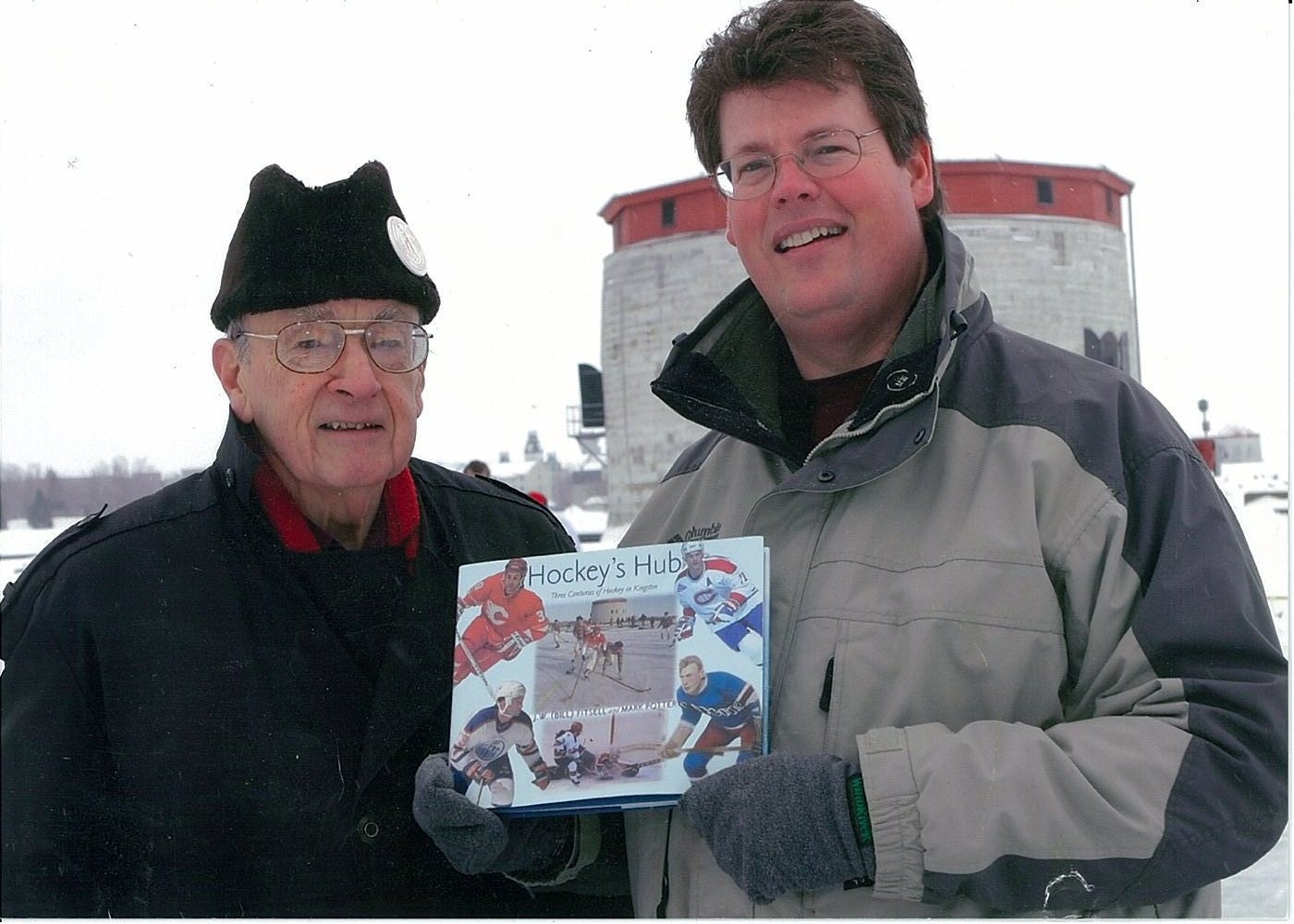
Mark Potter is a longtime Kingston broadcaster and honoured member of the Kingston & District Sports Hall of Fame.
 KTown Sports Blog